KM Studio AmsterdamKM Studio

MATERIALS · FDM · SLS · SLA

3D printing materials: choose the right one for your part

Compare 3D printing materials by heat, flex, strength and use. PLA or PETG covers most parts at the best price; this guide shows when to move up.

Materials at a glance

FDM
PLA, PETG, ABS, ASA, TPU, nylon
SLS
PA12, PA-CF, PA-GF
SLA
Standard and engineering resin
Pricing
By weight of the finished part

Start from what the part must do

HEAT OR OUTDOORS

PETG, ABS or ASA

PETG handles about 80 °C, ABS about 105 °C. For outdoors, choose ASA.

FDM printing

FLEX

TPU

A flexible, rubber-like filament for gaskets, seals, grips and strain relief.

FDM printing

STRESS OR WEAR

Nylon via SLS

For gears, hinges and clips under repeated stress. SLS gives nylon its best mechanical properties.

SLS printing
Upload your STL for an instant price

How to choose: a quick decision guide

Ask in this order.

If the part...Choose
is a prototype or display modelPLA
sees heatPETG, ABS or ASA
lives outdoorsASA
has to flexTPU
takes high stress or wearNylon (PA) via SLS
needs fine detail or a smooth surfaceSLA resin

When in doubt, PLA or PETG covers most use cases at the best price.

FDM materials: PLA, PETG, ABS, ASA, TPU and filled grades

  • PLA: easy to print, accurate, many colours, made from renewable resources. Keep it below about 60 °C, away from long moisture, and out of hot cars and outdoor use.
  • PETG: handles about 80 °C, with more impact strength and chemical resistance than PLA. Slightly flexible and less brittle. A little prone to stringing.
  • ABS: strong, up to about 105 °C. Common in automotive and electronics. Needs an enclosed printer and warps more.
  • ASA: like ABS with much better UV resistance. The pick for outdoors. Same enclosure and warping demands.
  • TPU: flexible and rubber-like, abrasion resistant. Prints slower and needs a direct-drive extruder.
  • Nylon (PA) in FDM: strong with low friction. It absorbs moisture, so the filament must be dried and stored sealed.
  • Carbon- and glass-filled grades (PLA-CF, PETG-CF, ABS-CF, ASA-CF, ABS-GF): typically stiffer. Ask us before you design for them.

Our largest FDM printer builds up to 500 × 500 × 500 mm. More on the FDM page.

SLS materials: PA12, PA-CF, PA-GF

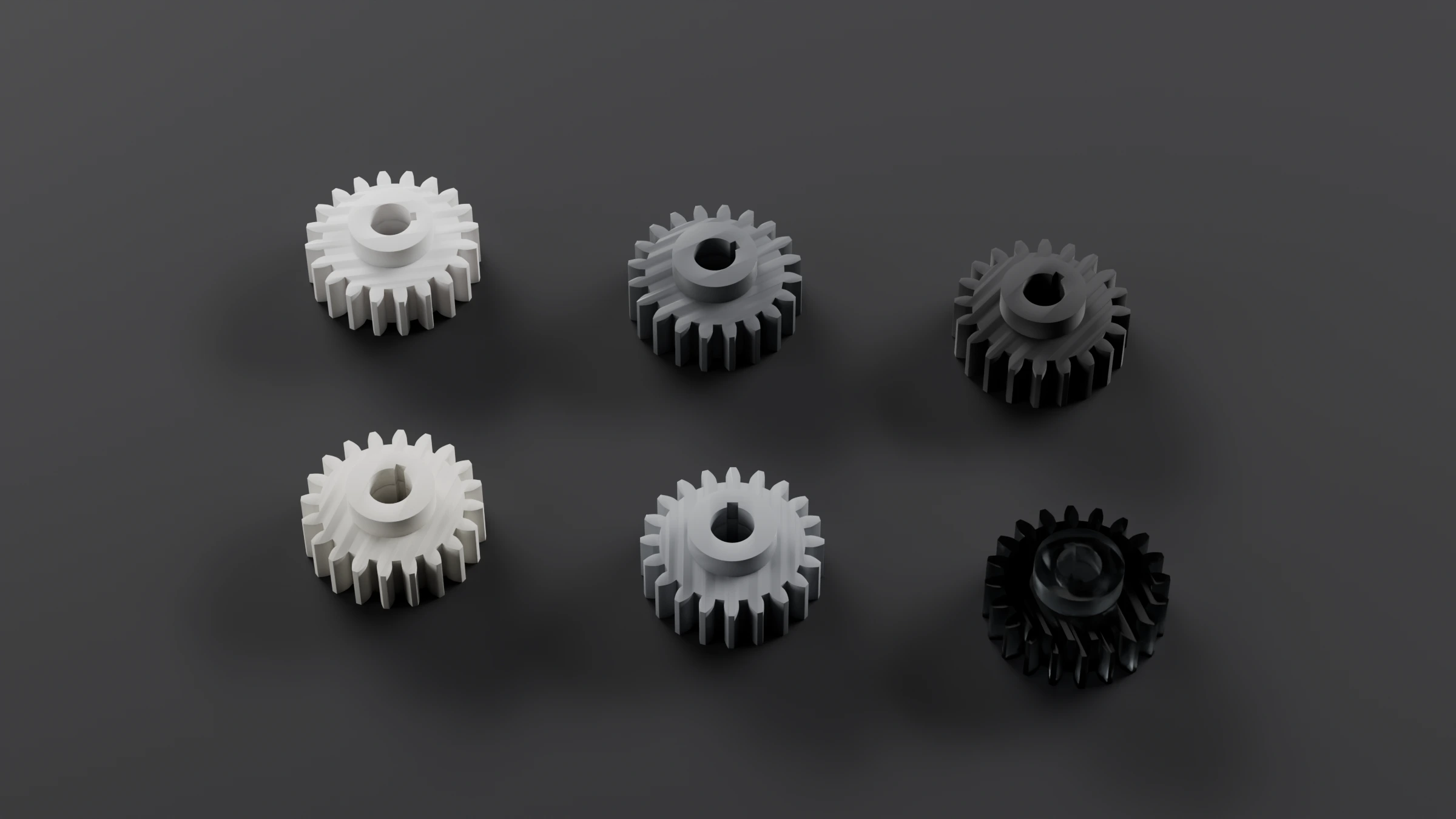
SLS prints nylon powder. PA12 is the powder our design rules are written for: strong, slightly flexible, parts nearly equally strong in every direction. PA-CF and PA-GF are the carbon- and glass-filled powders. Ask us first when you design for them. Read the PA12 nylon page or the SLS page.

SLA materials: standard and engineering resin

Standard resin is stiff, hard and holds fine detail, but is more brittle than FDM plastics or SLS nylon. We also print clear and grey parts, and offer an engineering resin for more demanding parts. Tell us what the part has to do. See the SLA page.

Comparison table

MaterialProcessHeatCharacter
PLAFDMUp to about 60 °CEasy, accurate, many colours
PETGFDMAbout 80 °CMore durable than PLA, slightly flexible
ABSFDMUp to about 105 °CStrong, warps more
ASAFDMSimilar to ABSUV resistant, for outdoors
TPUFDMAsk usFlexible, rubber-like
Nylon (PA12)SLSAsk usStrong, slightly flexible, low friction
Standard resinSLAAsk usStiff, hard, fine detail, more brittle

Material price per kg (from our price list)

MaterialProcessPer kg
ABSFDM€60 – €175
ABS-CF FDM€120 – €270
ABS-GFFDM€120 – €270
ABS-Like ResinSLA€450– €1100
ASAFDM€85 – €155
ASA-CFFDM€125 – €230
PA-CF FDM€150 – €950
PA-GFFDM€150 – €950
PA12SLS€10 – €650
PA6 SLS€110 – €650
PCFDM€220 – €550
PC-CFFDM€340 – €780
PC-PETGFDM€120 – €350
PETGFDM€90 – €150
PETG-CFFDM€120 – €200
PLA / PLA+ / e-PLA MattFDM€60 – €90
PLA-CFFDM€80 – €145
PPAFDM€150 – €650
PPSFDM€1530 – €2650
Standard ResinSLA€300 – €900
TPUFDM€150 – €250

We quote by the weight of the finished part, so the per-kg price is only part of the story. Setup and handling fees are on the pricing page.

Need advice on a material?

Tell us the load, temperature and environment, and we suggest a material and a process. You can also send the model and we advise in the quote.
One material range, three processes

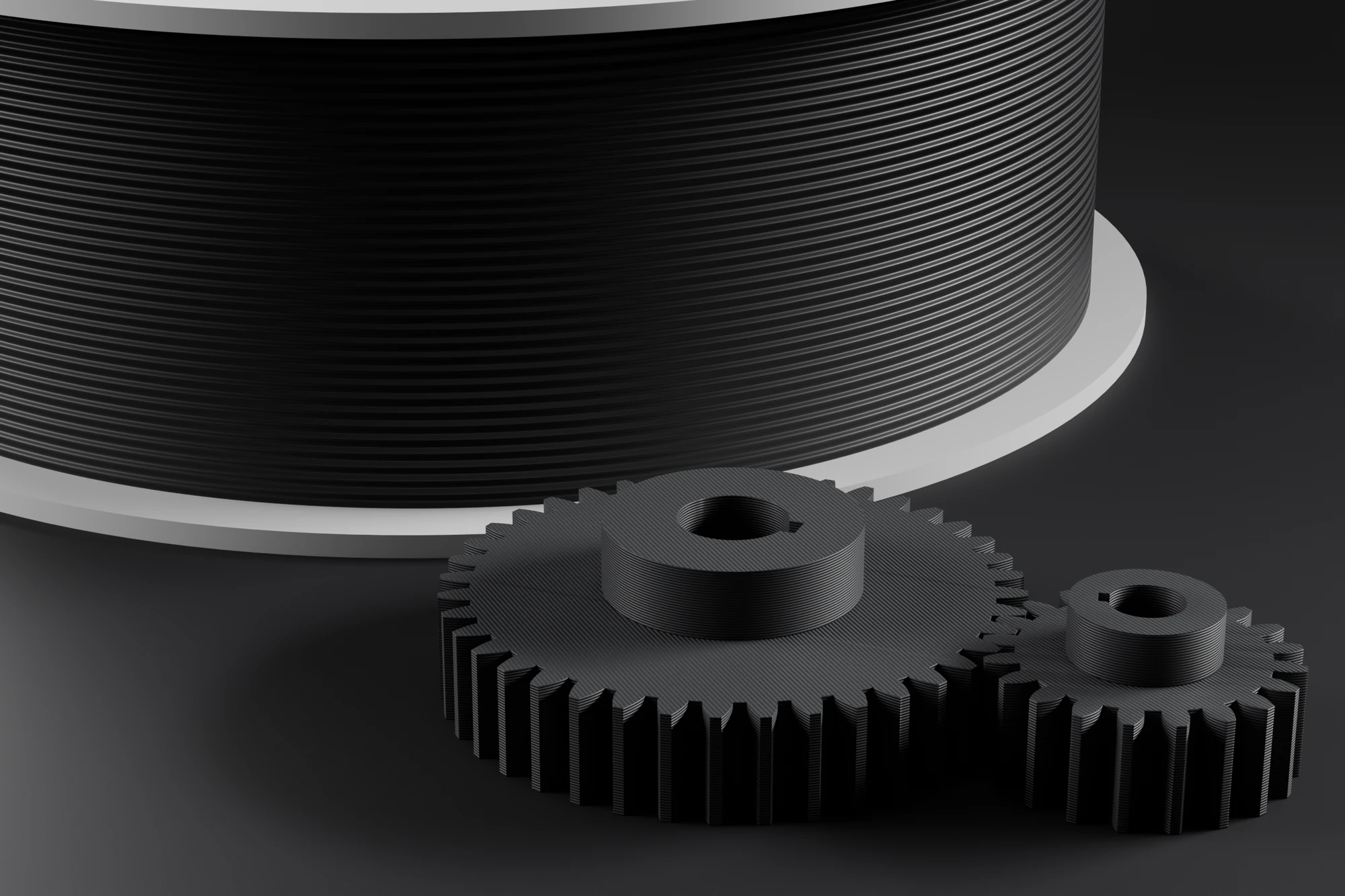
FDM printed gears in front of a spool of filament

FDM: PLA to filled grades

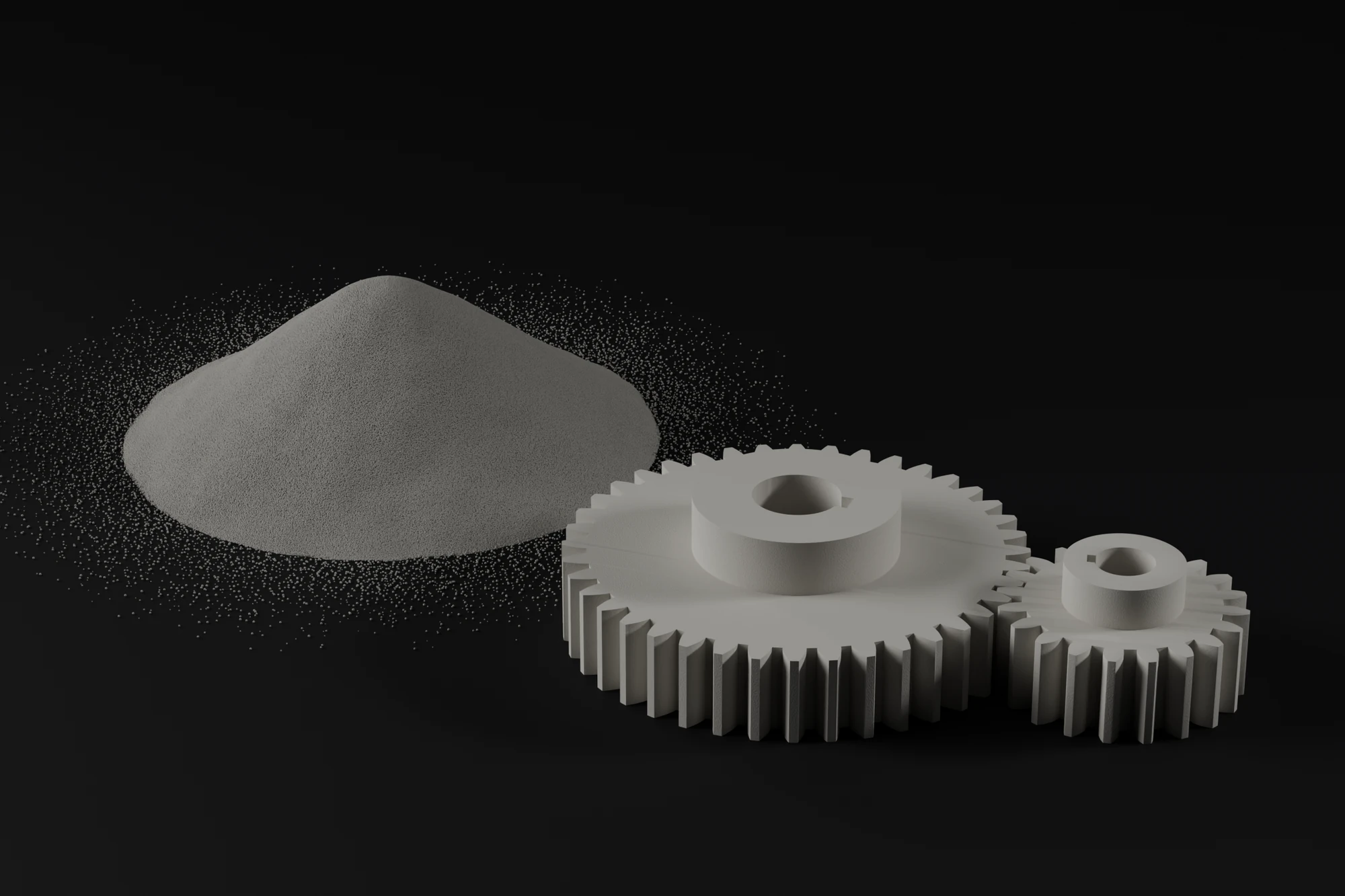
SLS nylon gears next to a heap of nylon powder

SLS: nylon powder, no supports

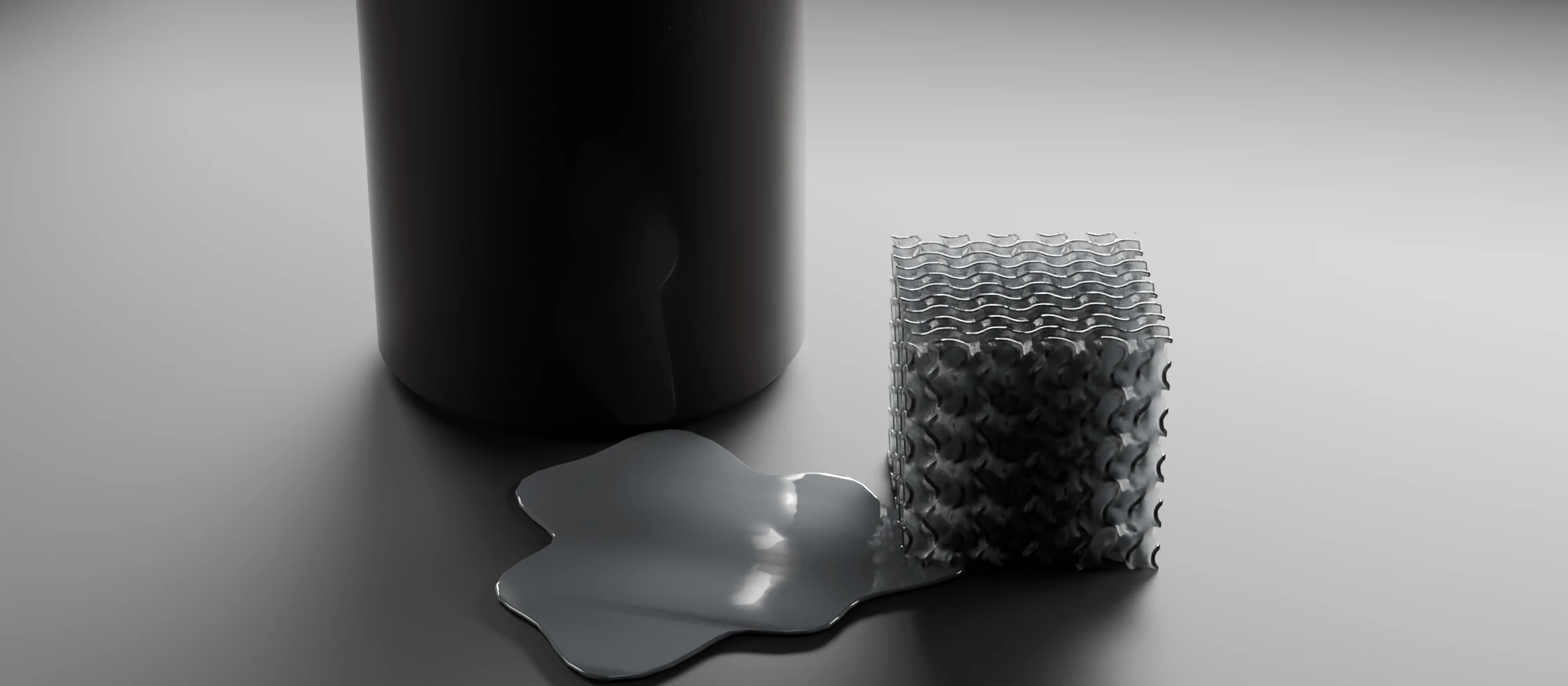
Clear resin lattice beside a resin bottle and a small pool of resin

SLA: resin, smooth and fine

Frequently asked questions

Ask what the part has to do. Heat: PETG, ABS or ASA. Outdoors: ASA. Flex: TPU. High stress or wear: nylon via SLS. Fine detail or a smooth surface: SLA resin. A prototype: PLA. When in doubt, PLA or PETG covers most use cases at the best price.

PLA is easy to print, accurate and comes in many colours, but should stay below about 60 °C. PETG handles about 80 °C, has more impact strength and chemical resistance, and is slightly flexible and less brittle. PETG is a little more prone to stringing.

ASA. It is similar to ABS with much better UV resistance, and suits garden fixtures, exterior trim and signage. PETG also works for outdoor use. Avoid PLA for anything left outdoors long-term or in a hot car.

TPU, a flexible, rubber-like filament. It suits gaskets, seals, grips, cases and strain relief, and it is abrasion resistant. It prints more slowly than rigid materials and needs a direct-drive extruder.

The current price per kg is in the table on this page, taken from our price list. We quote by the weight of the finished part, plus a setup fee once per technology and a handling fee per part, so upload your model for the exact price.

Yes, in several: PLA-CF, PETG-CF, ABS-CF, ASA-CF and PA-CF. Filled grades are typically stiffer. Each has its own limits, so tell us what the part has to do and we advise before you design.

Not sure which material?

Send us the model and tell us what the part must do. We advise, then quote.