What reverse engineering means here
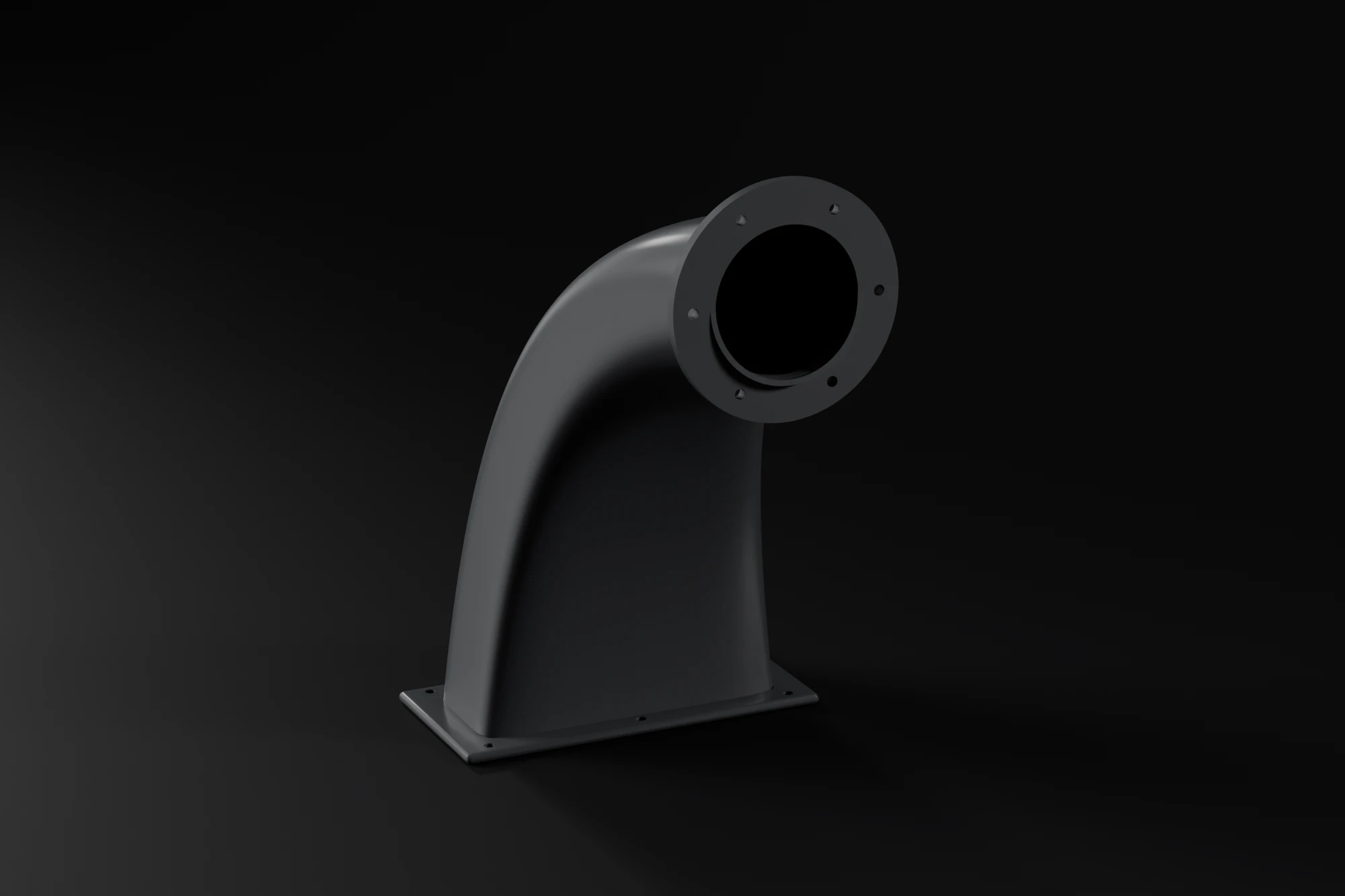
Reverse engineering is working back from a physical part to the model it could have been made from. We measure the part, then rebuild it in CAD as a real model with faces, holes and dimensions, not just a copy of the surface. From there it can be changed, improved or printed.
How we measure: 3D scan, by hand, or both
We use what the part needs. A 3D scan with our Revopoint Miraco Pro (accurate to up to 0.05 mm) captures curved and free-form shapes. Measuring by hand gives exact values for holes, shafts and mating faces. Often it is both: the scan for the shape, the hand measurements for the dimensions that have to fit.
Rebuilt in CAD
We model the part in Onshape, Fusion 360, SolidWorks or Blender, depending on the job. The result is an editable model: change a wall, move a hole, make it stronger where the original broke.
What you get: CAD model and STL or OBJ
You get the part as an STL or OBJ file, ready to print, and the CAD model exported for your own CAD program. Tell us which program you use.
Typical parts
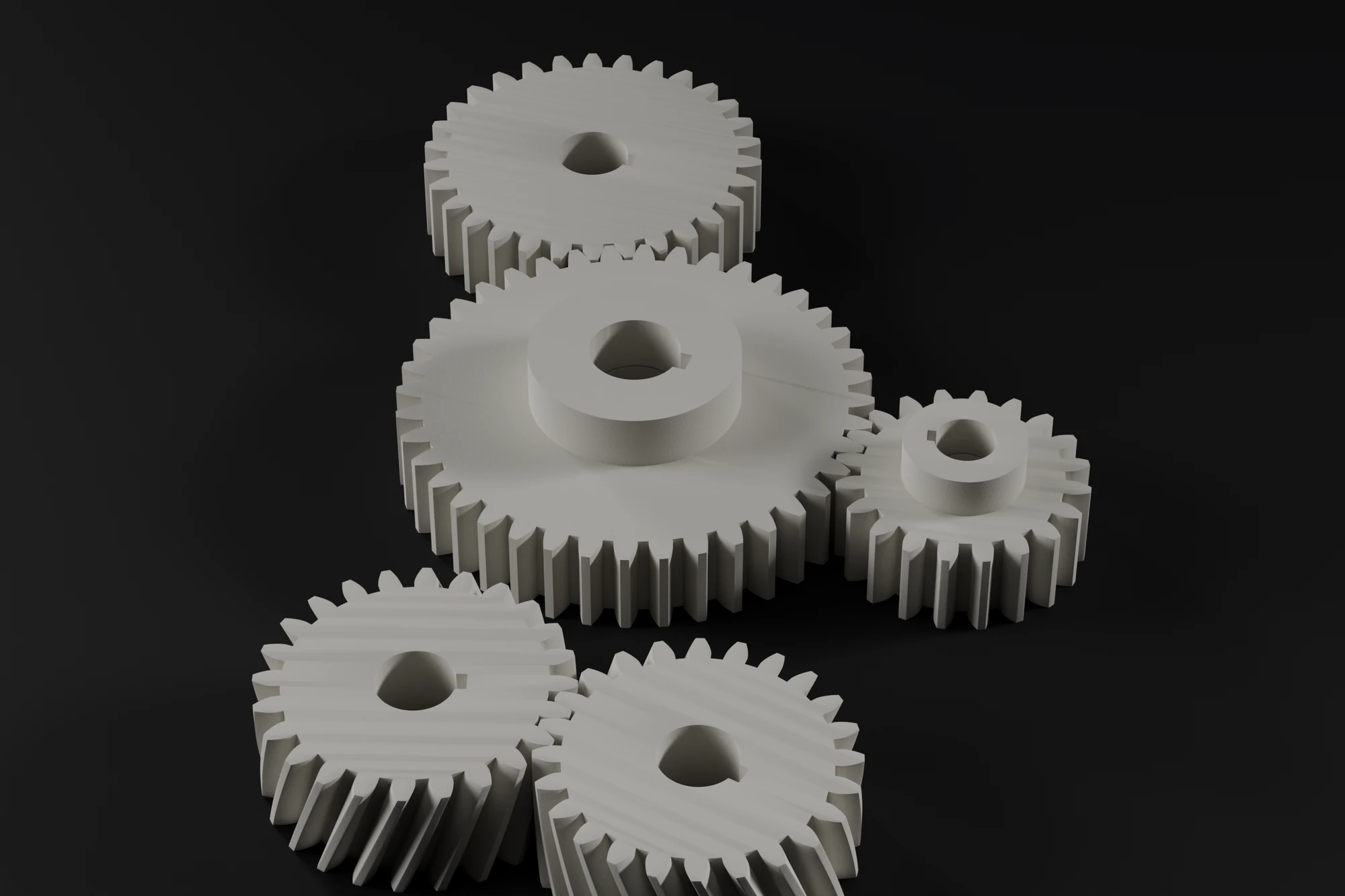
- Broken or worn parts with no drawing or file, such as gears, clips, brackets and covers.
- Parts that are no longer made or sold.
- Parts you want to improve: stronger, lighter, a different mounting.
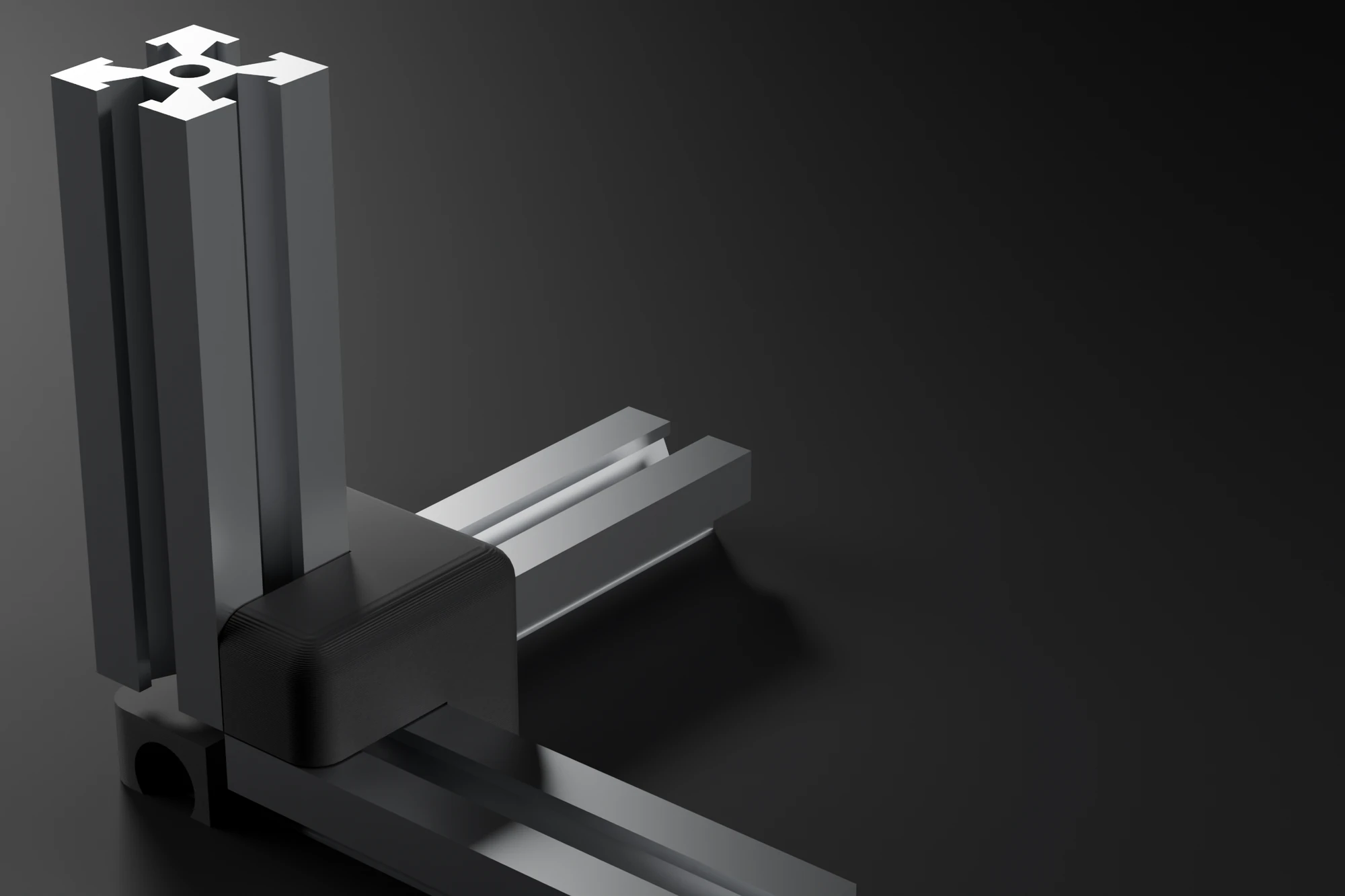
- Parts that have to fit something existing, like a housing, a profile or a device.
For a broken part, send the pieces. We tell you whether the shape can be rebuilt from them.
Then print it
We offer FDM, SLA and SLS printing. For a functional replacement part, FDM in PETG, ABS or ASA, or nylon via SLS, are common choices. Tell us what the part has to do and we suggest a material. See FDM, SLS and materials.
Price and timing
The CAD work is billed hourly. We agree it with you before any work starts, and it is shown as its own line on the quote. It can be rushed on request, with the extra fee agreed before we start. Printing is priced by weight, see the pricing page.